
Can I tell you something about the end of every homeschool year in our house?
We never finish everything.
There’s always a half-completed history book on the shelf. A science unit that quietly fell off the schedule somewhere in February. A chapter we skipped because someone was sick, or life happened, or we just ran out of steam.
And for a long time, I let that be the thing I focused on at the end of the year. The gap between what I planned and what we actually did.
But here’s what I’ve learned — and what I want you to hear before you close the books this spring:
The measure of a good homeschool year is not what you finished. It’s what grew.

You Probably Missed the Growth
Here’s the problem with growth — it happens slowly, and we’re too close to it to see it clearly.
The child who sat at the math table in tears back in October? Look at her now. The one who wouldn’t read out loud, not even to you? He’s sounding out words with something that looks almost like confidence. The kid who melted down every time a lesson felt hard — she’s starting to push through instead of shutting down.
That’s not nothing. That’s everything.
But your children will not automatically see it. They don’t have the perspective yet. They’re still in the middle of it. They just know that reading is hard, or that math takes a long time, or that some days they really don’t want to do school.
Unless you show them.
Unless you stop, look them in the eyes, and say: Look how far you’ve come.
As Tom Peters said, “Celebrate what you want to see more of.” What you name and celebrate, your children will believe about themselves. And what they believe about themselves, they will carry forward into next year.
That’s worth five minutes of your time before summer begins.
Three Reasons You Cannot Skip the Ending
1. It Marks a Real Transition
Children feel transitions differently than adults do. Without a clear ending, one year just bleeds into the next — and there is no sense of movement, accomplishment, or progress.
Think about how we mark other transitions in life. Birthdays. Graduations. Anniversaries. We celebrate those things because they signal something real: a chapter has closed, and a new one is beginning.
Your homeschool year is no different. Your child just completed something. That deserves to be felt — not rushed past in the hurry to plan next fall.
A celebration says: one chapter has closed. You did it. Now we open the next one.
2. Children Don’t See Their Own Progress Unless We Name It
Your child who went from sounding out two-letter words to reading full sentences doesn’t automatically see that as remarkable. She just knows reading was hard. Your child who finally achieved fluency in his multiplication facts doesn’t know how far he came — he just remembers that it used to make him cry.
We have to show them.
And here’s what happens when we do: it becomes part of how they see themselves. They stop being the kid who struggles with reading and start being a reader who worked really hard to get here. They stop being the kid who’s bad at math and start being someone who figured it out.
That identity shift matters more than any curriculum page you didn’t finish.
3. Celebration Communicates: This Year Mattered
Your children are watching to see if you think the work was worth it.
If you grind through to the last day and then collapse into summer without a backwards glance, what does that communicate? That you’re just relieved it’s over. That the year was something to survive, not something to be proud of.
But when you stop — when you light a candle at dinner, or gather the family, or take them out for ice cream and look each child in the eyes and tell them something specific you noticed about them this year — you are saying something they will carry for the rest of their lives:
The work we do together in this home matters. You matter.
As Oprah Winfrey said, “The more you praise and celebrate your life, the more there is in life to celebrate.”
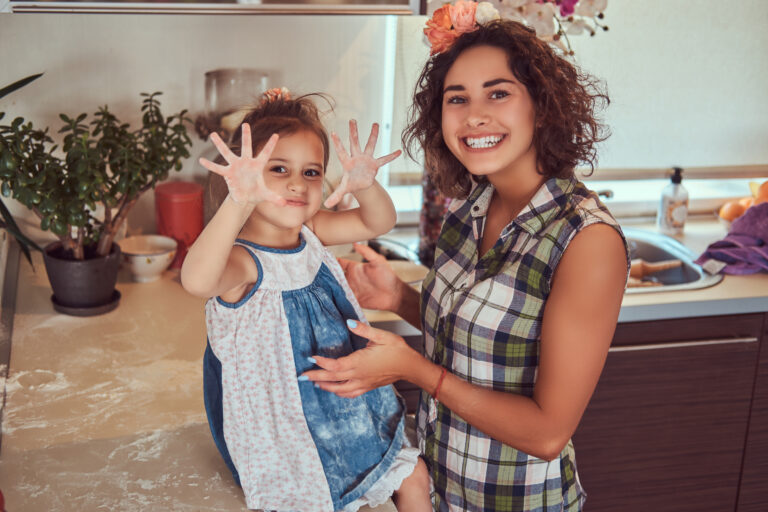
Ideas for Celebrating the End of Your Homeschool Year
You don’t need a Pinterest-worthy party. You just need a moment — one intentional moment — that says: we did it, and it mattered.
Here are some of my family’s favorites, from simple to more involved:
THE SIMPLE ONES
- End of year picnic at the park. Pack something special, put the school books away, and just enjoy your kids.
- Ice cream on the last day. It doesn’t take much to make a moment feel special.
- Family dinner reflection. Go around the table and have everyone share one thing they learned this year and one thing they’re proud of. Simple. Meaningful. They’ll remember it.
THE MEANINGFUL ONES
- Write each child a letter. Not a report card — a love letter. Start with one specific moment you witnessed this year. Name the character quality you saw grow. End with one thing you believe about them going into next year. Seal it and give it to them. They’ll keep it.
- Make “I Can” posters. Have each child go back through their school books and make a poster of everything they can do now that they couldn’t in September. Let them decorate it. Hang it somewhere they can see it. The physical act of seeing their growth makes it real.
THE COMMUNITY ONES
- Host a Celebration Museum. Have each child set up a display of their work — projects, writing, art, math pages, handicrafts, anything they’re proud of. Invite grandparents, aunts, uncles, and close friends to come and walk through it. Have each child stand by their display and answer questions. Explaining your work to someone who cares is one of the most confidence-building experiences a child can have.
- Host a Field Day. Invite other homeschool families for games and races, then end with an awards ceremony — not just for winners, but for growth in specific areas throughout the year. Every child walks away with something acknowledged.
OUR FAMILY FAVORITE — The Night of the Stars
This one is worth stealing.
We set up tables for families to display their work — math pages, stories, artwork, handicrafts, anything. Then we have a talent show. Kids can recite a poem, sing a song, play an instrument — or they can simply stand up and share one moment from this year that they are proud of.
That last option is always the most powerful one. Because sometimes the thing a child is most proud of isn’t a finished project. It’s a moment. A breakthrough. A hard thing they pushed through.
Every child gets a stage. Every child gets to be seen. And the whole community gets to celebrate together.
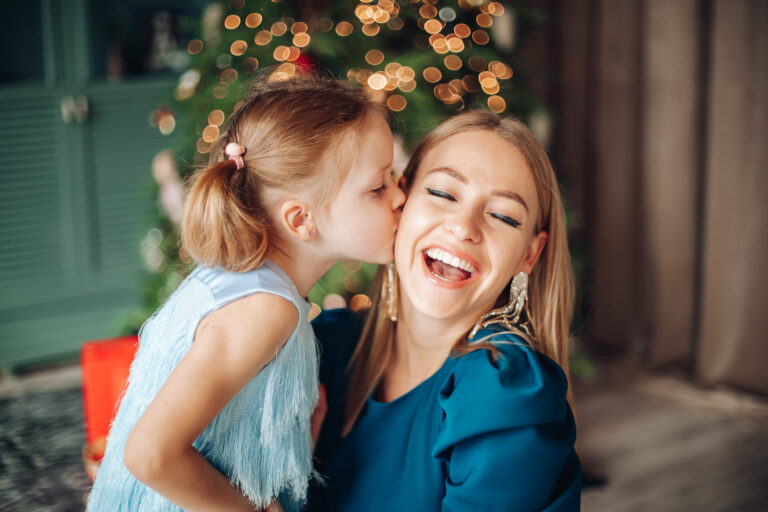
Before You Close the Books This Year
C.S. Lewis said it well: “You can’t go back and change the beginning, but you can start where you are and change the ending.”
You are not going back to fix the year. You’re not rewriting the half-finished history book or adding back the science unit you skipped. But you can choose to end this year well — with intention, with honesty about how far you’ve come, and with a moment that tells your children: this was worth doing, and so are you.
Take five minutes this week and ask yourself:
- What can each of my children do now that they couldn’t do in September?
- What growth happened that had nothing to do with curriculum?
- What do I want my child to hear from me before this year is officially over?
Write it down. Say it out loud.
Remember: You are not behind. You did not fail. And this year — with all its imperfections, all its unfinished books and detoured plans and ordinary Tuesdays — this year was real. And real is enough.
Your children grew this year. You grew this year. And the ending of one year is not just a finish line. It is a launching pad. You are closing one chapter so that you and your kids can step into the next one with their heads held high, knowing what they’re capable of.
Celebrate that. Make a moment.
Because the thing about endings done well is this: they make the beginning of whatever comes next feel possible.